
2.6 A Wizard for Seismic Survey Design
Once the main seismic survey parameters are defined (Bin size, Fold of Coverage, Maximum offset, Max min offset, Migration aperture), a sensible way to get some help calculating the other parameters is using a Wizard from a commercial seismic survey design software. For example, a commercial wizard helps calculate SLI, RLI, and Recording Template according to the required parameters.
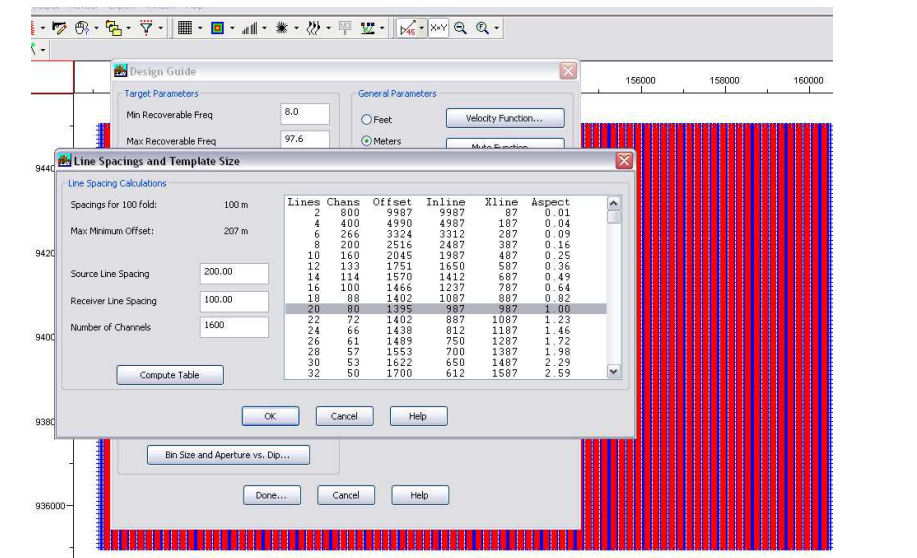
Fig. 1 MESA Wizard Seismic Survey design. It helps calculate SLI, RLI, and Recording Template according to the required parameters.
Survey Statistics Estimation
The Wizard also helps to calculate the survey statistics for a given area. These calculated items include parameters such as Total source points, source lines, and total receiver points and receiver lines.
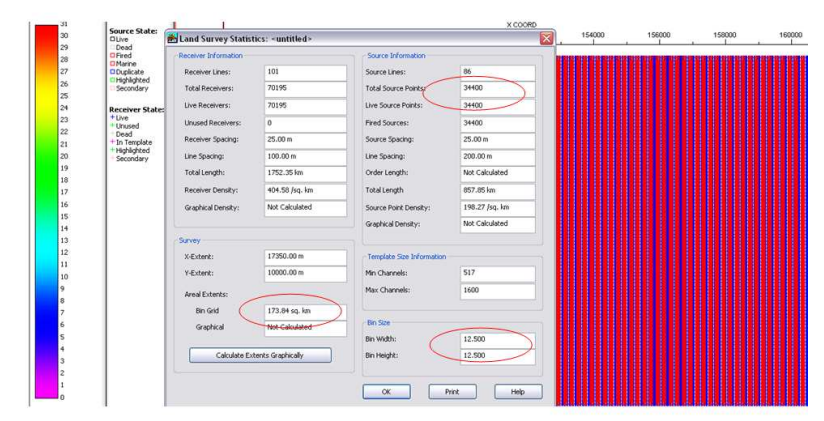
Fig. 2 The Wizard also helps to calculate the survey statistics for a given area, such as Total source points, source lines, and total receiver points and receiver lines.
Critical Bin Attributes
A 3D Seismic Survey design has three bin attributes that must be evaluated continuously and kept as uniform as possible during the survey execution:
- Fold of coverage
- Offset distribution
- Azimuth distribution
These parameters undergo rigorous bin analysis, which evaluates the Total fold of Coverage across all offsets, the Fold of coverage until target level (such as 0-800 m), the offset distribution inside the bin, and the azimuth distribution inside the bin.
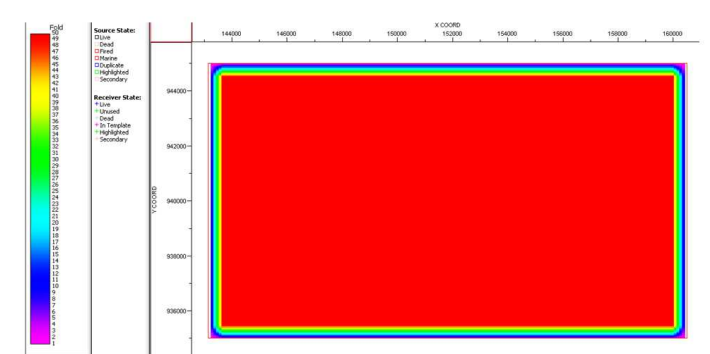
Fig. 3 (a) Bin analysis: Total fold of Coverage (all offsets).
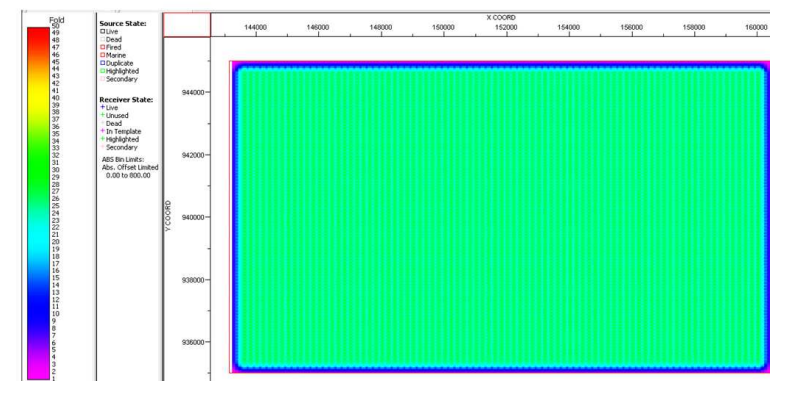
Fig. 3 (b) Bin analysis: Fold of coverage until target level (0-800 m).
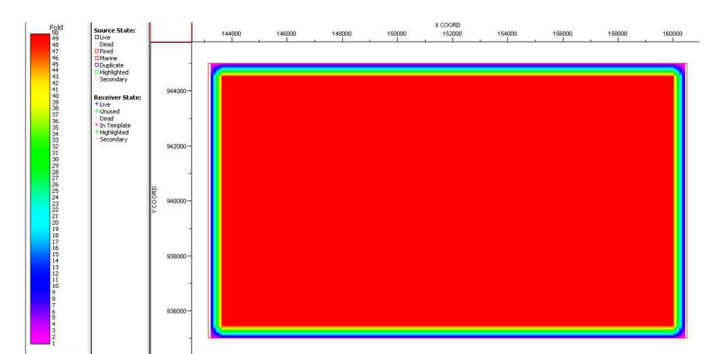
Fig. 4 (a) Bin analysis: Offset distribution inside the bin.
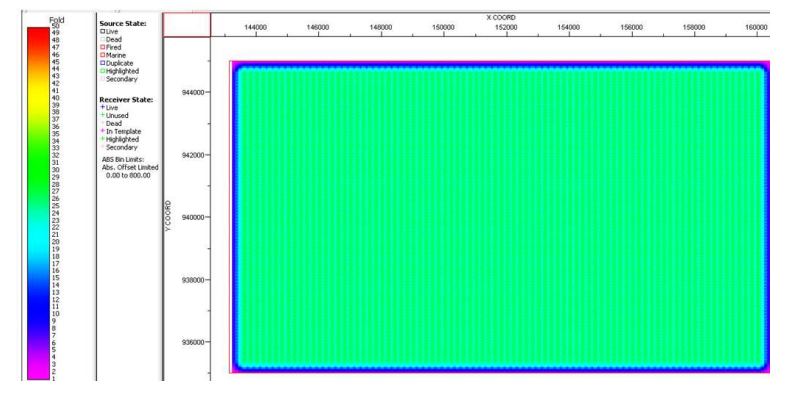
Fig. 4 (b) Bin analysis: Azimuth distribution inside the bin.
Survey Implementation Guidelines
A strong bin-to-bin variation of these parameters will produce a severe footprint in the seismic data.
Therefore, they must be kept as uniform as possible during seismic survey design implementation.